Commercial Moves in Greenwich
Reliable business relocation support for companies in Greenwich

If you are planning Commercial Moves in Greenwich, you need more than a van and a few pairs of hands. You need a move that keeps your business moving, protects equipment, respects deadlines, and works around the realities of a busy local area. Greenwich is a place where offices, studios, shops, professional practices, hospitality venues, and mixed-use premises all sit close together, often with limited parking, busy roads, time restrictions, and tight access points. That means a commercial relocation needs proper planning from the start.
Whether you are moving a small office near the town centre, shifting a retail unit close to the Cutty Sark, relocating a workshop space, or transferring a larger business operation closer to the A2 corridor, the aim is the same: reduce downtime and keep disruption under control. A local team that understands Greenwich can help you do that with practical scheduling, careful handling, and the flexibility to work around your operations. That local knowledge really matters when the move has to fit around real working hours and real streets.
Our approach is designed for business customers who want a professional, organised move without unnecessary stress. From the first enquiry to the final item placed in its new position, the focus stays on what matters most to your team: safe packing, clear communication, sensible timing, and efficient delivery. If you are comparing providers for a Greenwich business relocation, it is worth looking closely at how each company handles access, equipment, staff coordination, and any special items that need extra care.
Why businesses in Greenwich need a specialist moving service
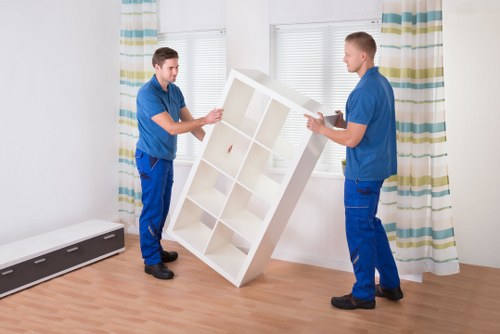
Commercial relocation is different from a domestic move in almost every way. Offices may contain servers, monitors, filing systems, desks, confidential paperwork, and delicate electronics. Retail units may need stock moved in phases. Hospitality businesses may have furniture, kitchen equipment, display items, and branded assets to protect. Even a small premises move can become complicated if there are multiple departments, customer-facing areas, or strict time windows for access.
Greenwich presents its own challenges. Some premises are in older buildings with narrow entrances, stairs, or awkward internal layouts. Others are in busier parts of the borough where parking is restricted, loading bays are limited, or traffic makes timing important. A move near Greenwich town centre, Maze Hill, Westcombe Park, Charlton, Woolwich, or Deptford can be affected by different access conditions depending on the street and the time of day. A local mover who already understands those patterns can plan more effectively than a team arriving cold.
For many businesses, the biggest concern is not just the physical lifting. It is the downtime. Every hour spent unpacked, disconnected, or waiting for equipment to be reassembled can affect staff productivity and customer service. That is why many local companies look for commercial removals Greenwich support that includes planning, sequencing, and after-move setup, rather than a basic transport-only service.
What is included in a commercial move

A good business relocation service should be tailored to the premises and the way your company works. The exact scope may vary, but a well-planned commercial move in Greenwich often includes a mix of the following:
- Pre-move planning and scheduling around your operating hours
- Site assessment for access, parking, loading, and internal routes
- Packing support for office, retail, or specialist items
- Furniture dismantling and reassembly where required
- Safe handling of IT equipment, monitors, and office electronics
- Transport of boxes, fixtures, files, stock, and equipment
- Placement of items in the correct rooms or zones at the new site
- Help with phased moves for businesses that need to keep operating
- Clear communication throughout the process
Some companies also need extra support for archive storage, heavy items, or fragile specialist equipment. In those cases, the service should be adapted to the job rather than forced into a standard format. Flexibility is a major advantage when you are moving a business in a busy area like Greenwich, where one-size-fits-all planning rarely works well.
It is also important to know what is not automatically included. For example, some businesses want help disconnecting equipment, labelling contents by department, or organising the move in stages across several days. These details should be discussed early so the plan matches your workflow and deadlines.
How a commercial relocation in Greenwich usually works

Every business move is different, but the process usually follows a sensible pattern. First, there is an initial discussion about your current premises, your new location, your timeline, and the type of items being moved. This is the stage where you can explain any access issues, lift restrictions, narrow stairways, or concerns about parking and unloading. In Greenwich, these details can make a huge difference to the success of the move.
Next comes the planning stage. This may involve scheduling the right vehicle size, deciding whether the move should happen outside business hours, and identifying which items need special handling. If you are relocating from a busy high street unit or a shared office building, timing may need to be coordinated carefully so staff, customers, and other occupants are not disrupted.
On moving day, the team should work methodically. Items are loaded in an order that makes sense for unloading, fragile equipment is protected, and labelled boxes are placed so they can be found quickly at the destination. For businesses with limited downtime, a well-sequenced move can save a surprising amount of time. Once on site, furniture and equipment are positioned according to the plan, helping your team settle back into work sooner.
Typical stages of the move
- Survey or discussion of the premises and move requirements
- Planning the schedule and access arrangements
- Packing and preparation of sensitive items
- Safe loading and transport
- Delivery, placement, and reassembly where needed
- Final checks to confirm essential items are in the right place
Greenwich commercial property types and the practical issues they create
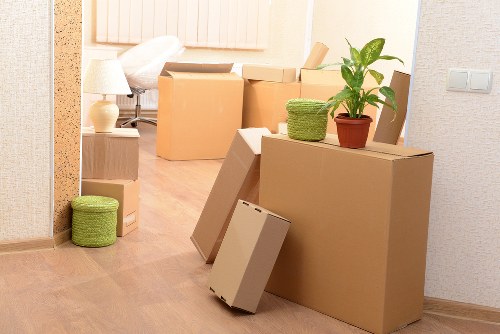
Greenwich includes a wide mix of property types, and that variety is one reason local commercial moving services need real on-the-ground experience. An office in a modern business building may have lift access and managed loading arrangements, but it may also have strict booking windows. A shop unit in a busy retail area may need careful planning so deliveries do not interfere with customers or neighbouring traders. A creative studio in a converted building may have stairs, limited turning space, or delicate floors that need protection.
Older commercial buildings can present tight hallways, low ceilings, uneven access routes, or restrictions on large furniture items. Meanwhile, newer developments may be easier to access but still require coordination with building management, security, or concierge teams. If your company is located near Greenwich Peninsula, North Greenwich, Blackheath, Charlton, or along routes that link towards Deptford and Woolwich, traffic timing and unloading arrangements may also affect the move.
These are not just minor details. They affect how long the move takes, what vehicle is appropriate, whether extra protection is needed, and how many crew members should be involved. A local commercial removals team can spot these issues early and avoid delays later. That is especially valuable when the move has to be completed in a short window, such as over a weekend or between closing and opening hours.
Examples of commercial premises often moved in Greenwich
- Offices and shared workspaces
- Retail shops and showrooms
- Restaurants, cafés, and hospitality spaces
- Professional practices and client-facing rooms
- Studios, workshops, and creative businesses
- Warehousing or stock rooms connected to local trading operations
Why local knowledge matters for Greenwich businesses
Choosing a business relocation provider with experience in Greenwich brings a number of practical advantages. First, there is the matter of access. Busy roads, controlled parking, and local loading restrictions can affect the move before a single item is lifted. A team that already knows the area is better placed to plan around these issues and avoid wasted time.
Second, local familiarity helps with timing. Greenwich roads can vary greatly depending on the time of day, local events, school traffic, or commuter patterns. That means the best moving window is not always the most obvious one. If your business needs to keep operating, a provider that understands local movement patterns can help you choose a schedule that reduces disruption.
Third, there is the benefit of responsiveness. If a move needs to be adjusted because your premises are not ready, your keys are delayed, or access changes at short notice, it helps to have a team that is nearby and able to adapt. For businesses comparing commercial moving services in Greenwich, that kind of flexibility can be just as important as vehicle size or packing materials.
What business customers should prepare before moving day
Good preparation makes any office move or commercial relocation easier. Even when you are using a professional team, your own organisation helps protect equipment and speed up settling in at the new premises. The aim is to reduce confusion, keep important files accessible, and make sure staff know what is happening and when.
It is often useful to appoint one person internally to coordinate the move. That person can answer questions, confirm the order of priorities, and help ensure the packing and labelling stay consistent. If different departments are moving at different times, a simple plan can save a lot of stress. Clear labels, clear instructions, and a clear schedule make a real difference on moving day.
You may also want to think about which items need to be moved first, which can be packed last, and what should remain available for the final days of operation. If you are in a customer-facing business, it may be sensible to prepare a temporary setup at the new site so the team can resume work quickly.
Preparation checklist
- Confirm move date, access times, and building requirements
- Back up important digital files and data before the move
- Label boxes by department, desk, or room
- Set aside confidential documents for controlled handling
- Disconnect and organise cables where possible
- Empty personal items from desks and storage areas
- Keep essential items separate for first-day use
- Inform staff about the packing and handover plan
Pricing factors for commercial moves in Greenwich
Businesses often ask what affects the cost of a commercial move. It is sensible to want clarity before committing, especially when moving budgets are already stretched by fittings, new equipment, and operational changes. While exact figures depend on the specific job, the main pricing factors are usually straightforward.
These may include the size of the premises, the number of items being moved, the distance between locations, the level of packing support required, and whether furniture needs dismantling and reassembly. Access matters too. For example, if there are stairs, no lift, narrow entry points, long carries from the vehicle to the door, or difficult parking conditions, the move may require extra time and labour.
Timing can also affect the overall cost structure. Moves outside standard hours, weekend relocations, or jobs that require a phased approach may need additional coordination. However, for many Greenwich businesses, a more carefully planned move can still be better value because it helps reduce lost trading time and post-move disruption. The cheapest option is not always the most efficient one for a working business.
Factors that are commonly discussed in a quote
- Premises size and inventory volume
- Distance and number of stops
- Access limitations and parking constraints
- Packing, unpacking, and labelling support
- Furniture dismantling and reassembly
- Specialist handling requirements for equipment or stock
- Move timing and any out-of-hours work
Why choose a local company for Greenwich commercial removals
There are practical reasons to choose a local provider rather than a team that treats Greenwich as just another stop on a larger route. A local company is more likely to understand the area’s roads, traffic rhythms, loading constraints, and building styles. That can help the move run more smoothly and make scheduling more realistic from the outset.
Local businesses also tend to value clear communication. When you are moving a shop, office, or studio, you need a service provider that can explain what is possible, what should be prepared in advance, and where the main risks are. That kind of straightforward planning can be very reassuring for owners, office managers, and operations teams alike.
If your business serves customers directly, you may also need a relocation partner who understands the importance of discretion and professionalism on site. The right team should work efficiently, keep disruption low, and treat your premises with care. That is true whether you are moving a compact office suite, a multi-room workspace, or a larger commercial site.
Good reasons to book locally
- Better understanding of Greenwich access and parking issues
- More realistic timing for busy roads and local restrictions
- Greater flexibility for short-notice adjustments
- Knowledge of mixed commercial and residential surroundings
- Practical experience with older buildings and modern developments
Areas covered around Greenwich
Commercial moves in Greenwich often involve nearby districts as well as the town centre itself. Business relocation needs can arise across a wide local area, especially where companies are moving between commercial units, shared spaces, or mixed-use developments. A team working locally may cover Greenwich and surrounding parts of South East London, including places such as:
- Greenwich town centre
- Westcombe Park
- Maze Hill
- Blackheath
- Charlton
- North Greenwich
- Woolwich
- Deptford
- Lewisham
- Eltham
This kind of local coverage matters because businesses do not move in neat categories. You might be relocating from a retail parade to a business park, from an upper-floor office to a larger workspace, or from a shared unit to a more private location. The route, access, and parking situation can all differ from one part of the borough to another, so nearby experience is valuable.
For customers comparing Greenwich commercial movers, it is sensible to ask whether the team is comfortable with a variety of premises and access conditions. That can save time during the move itself and reduce the chance of surprises.
Special care for office equipment, stock, and sensitive items
Many commercial relocations involve items that cannot simply be loaded and unloaded without thought. Office IT equipment, telecoms, client records, cash handling systems, branded displays, and fragile stock can all require special handling. Even when the items are not especially large, they may still be highly important to your business.
For office equipment, good packing and labelling are essential. Monitors, docking stations, printers, and network hardware should be organised so that reinstallation is easier. For retail businesses, stock often needs to remain grouped in a logical way so the team can get back to selling quickly. For practices dealing with confidential information, secure handling is critical from the moment packing begins.
Careful handling is not just about preventing breakages; it is about protecting continuity. If one box contains crucial files, labels, chargers, or access devices, that box needs to be easy to identify at the destination. A well-run move keeps these details in mind and avoids the frustration of hunting through mixed items after arrival.
How to reduce business disruption during the move
One of the main goals of any business relocation is to keep interruptions as small as possible. This often starts with choosing the right moving time. Some Greenwich businesses prefer evenings or weekends so the move does not interfere with customer-facing hours. Others arrange a phased move, where departments, stock, or equipment are transferred step by step.
Communication is equally important. Staff should know when to pack their desks, what to do with personal belongings, and which items need to stay accessible until the final day. If your business has multiple teams, a central checklist can help avoid confusion. For shops and hospitality businesses, signage and temporary working arrangements may need to be prepared in advance.
It also helps to plan for the first day in the new premises. Which items must be unpacked immediately? Which furniture should be positioned first? What equipment needs to be functioning before staff arrive? These are the practical questions that turn a move from a disruption into a workable transition. Good planning today means less lost time tomorrow.
Useful ways to stay organised
- Create an inventory of items being moved
- Mark fragile or high-value items clearly
- Keep first-use boxes separate from general packing
- Coordinate handover with building management if needed
- Plan the layout of the new premises before moving day
What types of customers use commercial moving services in Greenwich?
Commercial moving support is relevant to a broad range of local customers. Some are small businesses moving just a handful of desks and a few cabinets. Others are expanding into larger premises and need a carefully staged relocation. Some are independent traders setting up in a new shop. Others are professional service providers who need a swift move so appointments and client work can continue with minimal interruption.
This means the service should never feel overly rigid. A small law office in Greenwich will not have the same needs as a café moving furniture and storage items, and a design studio will not have the same priorities as a stockroom or medical-style practice. The best moving plans are based on the customer’s actual operations, not a standard template.
If you are a landlord, managing agent, business owner, or office manager arranging a move, it is worth choosing a team that understands both the physical and practical sides of relocation. That means listening carefully, planning in detail, and being ready for real-world issues that can arise in Greenwich’s varied business premises.
Frequently asked questions
Can commercial moves in Greenwich be arranged outside normal working hours?
Yes, many businesses prefer evenings, early mornings, or weekends to reduce disruption. This is often discussed during planning so the move fits your operating schedule and building access rules.
Do I need to pack everything myself?
Not necessarily. Some businesses prefer to pack internally, while others want help with packing materials, labelling, or handling sensitive items. The level of support can usually be tailored to your needs.
What if my office or shop has difficult access?
That is common in Greenwich and should be discussed before moving day. Narrow entrances, stairs, lifts, parking limits, and loading restrictions can all be planned for if they are identified early.
Can you help move furniture and equipment as well as boxes?
Yes, commercial moves often involve desks, shelving, cabinets, display units, and office equipment. If anything needs dismantling or careful reassembly, this should be included in the move plan.
How far in advance should I request a quote?
As early as possible is best, especially if your move needs to happen on a specific date or outside normal hours. Early planning helps secure the right resources and allows time to deal with access or scheduling issues.
Is a phased move possible if my business must keep running?
In many cases, yes. Phased moving can be useful for businesses that cannot close fully. It allows key departments or items to be transferred in stages, reducing operational disruption.
Request a quote for your Greenwich business move
If you are preparing a relocation and want practical help from a local team, now is the right time to plan it properly. A commercial move should feel organised, efficient, and suited to the way your business actually works. Whether you are moving a small office, a retail unit, or a larger commercial premises, a careful plan can save time, reduce stress, and protect your equipment.
For customers arranging Commercial Moves in Greenwich, the best next step is to discuss the layout, access, timing, and any specialist items as early as possible. That way, the move can be designed around your business rather than the other way around. Contact us today to request a free quote, ask about your move requirements, or book your service now.
When your business needs to move in Greenwich, choose a service that understands local access, commercial priorities, and the importance of getting you working again quickly.