Office Relocation Services in Greenwich
Making a Greenwich Office Move Feel Organised, Safe, and Low-Stress

Office relocation services in Greenwich are designed for businesses that need a smooth move without disrupting day-to-day operations more than necessary. Whether you are moving a small professional practice near Greenwich town centre, shifting a growing team from a riverside office, or relocating a larger workplace serving clients across South East London, the right plan makes a huge difference.
Greenwich has a mix of historic streets, modern developments, busy commuting routes, and varied commercial buildings, which means no two office moves are quite the same. A local team understands the practical realities of moving around the area: narrow roads, controlled parking zones, loading restrictions, lift access, shared entrances, and the need to work around business hours. That local knowledge helps keep the process efficient and avoids unnecessary delays.
If you are comparing options for an office move in Greenwich, it helps to choose a service that does more than just lift boxes. You want careful planning, secure handling, communication that keeps everyone informed, and support tailored to the type of premises you occupy. From the first call through to setup in the new location, the goal is simple: keep your business moving with as little interruption as possible.
Why Local Office Relocation Support Matters in Greenwich

Greenwich is a distinctive part of London with business spaces ranging from converted period properties and listed buildings to modern offices, managed workspaces, and mixed-use developments. That variety creates specific moving challenges. A relocation team familiar with the area is more likely to anticipate access issues, avoid bottlenecks, and plan the right size of vehicle and crew for the job.
Local experience is especially useful when an office sits close to busy routes, commuter areas, schools, retail streets, or residential roads where parking can be limited. In some parts of Greenwich, moving equipment in and out may involve building management rules, time slots for loading, or careful coordination with reception staff, tenants, and facilities teams. A well-organised service can help reduce confusion and keep the move calm from start to finish.
For many businesses, the move itself is only one part of the challenge. There is also the need to protect computers, screens, documents, furniture, archived files, and specialist equipment. A reliable office relocation team will plan for these items individually, using a method that suits each department and the way the business works. That is one reason so many local customers prefer a company that understands both the area and the demands of commercial moving.
Who Uses Office Relocation Services in Greenwich?

Office relocation is not only for large corporate firms. In Greenwich, the service is used by a broad range of customers, including small businesses, start-ups, professional services, charities, medical and wellness practices, educational organisations, and growing teams that have outgrown their current workspace.
It can also be valuable for organisations that need to move within the same building, across the borough, or to nearby areas such as Blackheath, Deptford, Woolwich, Charlton, Cutty Sark, Maze Hill, North Greenwich, and surrounding South East London locations. If your move involves a mix of office furniture, technology, files, and specialist equipment, using a dedicated service can save time and reduce the risk of damage.
Some businesses need to move quickly because their lease is ending or because internal changes have made a new layout necessary. Others are planning months in advance and want a phased relocation that allows staff to keep working during the transition. In either case, having a structured process makes the move feel manageable rather than overwhelming.
What Office Relocation Services in Greenwich Typically Include

Every office move is different, but most customers benefit from a service that covers planning, packing, transport, unloading, and placement at the new site. Some moves are simple and only need transport and careful handling, while others require more detailed support such as dismantling desks, managing IT equipment, or moving archive storage.
A well-rounded commercial relocation service may include:
- Initial site discussion and move planning
- Inventory of furniture, files, and equipment
- Packing materials for fragile or high-value items
- Labelling systems to help with department-level organisation
- Dismantling and reassembly of office furniture
- Safe transport of desks, chairs, cabinets, and equipment
- Placement of items in the correct rooms or zones
- Waste removal or packaging clearance, where required
Some businesses also ask for help with IT relocation, including moving monitors, printers, servers, and network devices. This can be particularly useful where employees need to resume work quickly after the move. While each service provider will offer different levels of support, the best approach is usually one that is tailored to the size of your office and the complexity of your equipment.
It is often the small details that make the biggest difference: careful labelling, correct vehicle choice, timing around building access, and a team that understands how to work efficiently in busy London streets.
Planning an Office Move Around Greenwich’s Practical Challenges
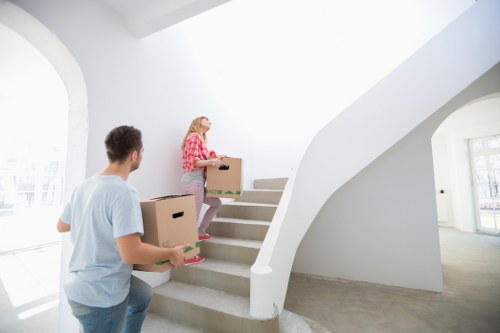
Moving an office in Greenwich often means thinking about access before moving day even arrives. Some offices are located in older properties with stairs, tighter entrances, or limited lift access. Others are in modern buildings with managed loading bays or security-controlled entry points. The route from the vehicle to the office can affect timing, equipment choice, and how many staff are needed for the job.
Parking is another common factor. In parts of Greenwich, parking can be limited or highly regulated, so advance planning is essential. A local office relocation team will usually factor in loading times, vehicle positioning, and any restrictions that could affect the move. This kind of preparation can prevent avoidable delays and keep the process moving efficiently.
Traffic patterns matter too. Greenwich can be busy at commuting times and around popular local destinations. If a move is scheduled during a crowded period, the team may need to build in extra time for collection, parking, and unloading. That is why local knowledge is so useful: it helps shape realistic timings rather than relying on assumptions.
How the Office Relocation Process Usually Works
Step 1: Discuss the move and assess requirements
The process usually starts with a conversation about your current premises, the new office, your preferred timings, and the items that need moving. This is the stage where you can explain whether you need a full-service relocation or only transport for selected items. The more detail you provide, the easier it is to plan accurately.
During this stage, it is helpful to mention access points, lifts, parking arrangements, building rules, fragile equipment, and any items that must be moved last or first. If your office has multiple departments, shared spaces, archive storage, or specialist workstations, these should also be discussed early on.
Many customers ask for a quote once the move scope is understood. Request a free quote if you are ready to compare your options and make an informed decision.
Step 2: Create a moving plan
A good plan keeps everyone organised. It may include packing schedules, key move dates, floor plans for the new office, and any special handling instructions for items such as artwork, confidential files, or delicate technology. The aim is to reduce disruption and make sure each item arrives where it is needed.
If your business needs to stay operational during the move, a phased plan may be best. This can allow some staff to remain working while certain areas are moved over in stages. For larger or busier offices, that staged approach can be a practical way to minimise downtime.
The plan should also confirm responsibilities, such as which team members are packing personal desk items, who is handling archiving, and what is being prepared by the relocation team. Clarity before moving day makes the whole process easier.
Step 3: Packing, labelling, and preparation
Packing is one of the most important parts of the move. Even if your relocation team provides materials or support, it helps to have a clear packing system in place. Office items are often packed department by department, with boxes labelled to show destination rooms or work zones. That makes unpacking much faster and helps staff settle in sooner.
Confidential documents should be handled carefully, especially if you are moving legal, financial, medical, or client-related records. Secure sealing, clear inventory lists, and sensible supervision help protect privacy during the transfer. Likewise, fragile IT equipment should be packed or prepared in a way that reduces the chance of damage.
Furniture preparation may also be needed. Desks might need to be cleared, dismantled, or measured in advance to confirm that they will fit through entrances, lifts, and stairwells. A bit of preparation here can save a lot of time later.
Step 4: Move day transport and delivery
On move day, the team loads items in a logical order, transport them safely, and unloads them at the new site according to the agreed plan. This stage benefits from experienced handlers who can work carefully while keeping to a schedule. In Greenwich, where timing and access can be important, efficient loading and unloading can make a real difference.
Once items arrive, they are placed in the correct areas so that unpacking becomes easier. If a floor plan has been provided, the team can use it to position desks, cabinets, and other core items. This saves your staff from having to move heavy furniture again after the relocation is complete.
After delivery, many businesses use the opportunity to reorganise storage, streamline furniture layouts, and set up a more practical workspace. A move can be a good time to rethink how the office functions day to day.
What Makes a Good Greenwich Office Move Company?
Experience, careful handling, and clear communication
Not all relocation providers offer the same level of service, and office moves require more than just transport. Look for a company that communicates clearly, asks practical questions, and understands how business continuity matters to you. A strong mover will be organised from the outset and able to adapt when building access or timings change.
Careful handling is essential. Desks, cabinets, computers, and file storage all need different treatment. A good team will treat your equipment with the right level of caution, using suitable materials and sensible loading methods.
Communication matters just as much. Your office team should know what to expect, when to pack, when to hand over items, and who will be responsible for each stage. That helps reduce stress for managers and staff alike.
Flexibility for different office sizes
Some customers only need a few items moved between nearby buildings. Others need support for an entire floor or multi-room office. A flexible relocation service can adapt to both. That might mean after-hours moving, weekend scheduling, or a staged relocation that allows your business to keep operating.
If your office includes meeting rooms, reception areas, private workspaces, or storage rooms, the mover should be able to handle each type of space with the right level of care. The best results often come from a tailored approach rather than a one-size-fits-all method.
Areas Covered in and Around Greenwich
Office relocation services in Greenwich often support customers across the wider local area, including business and residential districts where commercial premises may be situated inside mixed-use buildings or near busy transport routes. Typical nearby areas can include:
- Greenwich town centre
- West Greenwich
- East Greenwich
- Maze Hill
- North Greenwich
- Blackheath
- Charlton
- Woolwich
- Deptford
- Rotherhithe and nearby South East London locations
Coverage may also extend to offices close to transport links, retail parades, business parks, and converted residential buildings used for professional services. If your company is moving locally within the borough or to a neighbouring district, a nearby team can often respond more efficiently and with better awareness of local conditions.
This is especially valuable for customers who need a short-notice move, a weekend relocation, or support in a building with strict loading schedules. Choosing a team that already knows the area can make planning easier and reduce avoidable delays.
Benefits of Using a Local Greenwich Team
There are practical advantages to choosing a local provider for your office move. First, a local team is more likely to understand the road layout, parking limitations, and building access issues common in Greenwich. That saves time and makes scheduling more reliable.
Second, local office relocation services often feel more responsive. If your move needs adjusting, or if access information changes, a nearby team can usually adapt more easily than one travelling from further away. This matters when you are coordinating staff, property managers, and business deadlines.
Third, using a local company can be a better fit for businesses that need a personal, practical approach. A move is not just about transporting objects; it is about protecting the way your company works. A team that understands Greenwich can support that aim with attention to detail and sensible planning.
How local knowledge helps on the day
On moving day, local knowledge can help with route selection, timing, vehicle access, and understanding how long loading is likely to take. That can be especially helpful in streets where turning space is limited or where nearby congestion may affect the schedule.
For business owners and office managers, that reassurance is valuable. It means fewer surprises, better coordination, and a smoother experience overall.
Preparing Your Business for the Move
A practical office relocation checklist
Preparing properly can reduce stress and help your relocation team work more efficiently. A simple checklist may include the following:
- Confirm the moving date and access times for both locations
- Tell staff when to start clearing desks and packing personal items
- Back up essential digital files before equipment is moved
- Label boxes clearly by department, room, or desk number
- Separate confidential documents for secure handling
- Measure bulky furniture and check doorways or lift sizes
- Inform building management or landlords of the move schedule
- Keep a list of essential items needed immediately after arrival
It is also sensible to identify what should be moved first and what can wait until later. For example, reception equipment, phones, and core workstations may need to be prioritised so that the office can reopen quickly. Non-essential storage can be handled once the main workspace is set up.
If you manage staff through the move, communicate regularly. People are usually more comfortable when they know what is expected of them and when. Good internal organisation can make the difference between a chaotic move and a well-ordered transition.
Pricing Factors for Office Relocation Services in Greenwich
While exact costs depend on the details of your move, several factors usually influence the overall quote. Understanding these helps you compare services fairly and plan with confidence.
- Size of the office: More desks, furniture, and equipment typically require more time and resources.
- Distance travelled: Local moves within Greenwich may differ from relocations to other parts of London.
- Access conditions: Stairs, narrow corridors, limited parking, and lift restrictions can affect labour needs.
- Special items: Servers, archive materials, artwork, and fragile equipment may need additional care.
- Packing requirements: Full packing support or provision of materials can change the scope of the job.
- Timing: Evening, weekend, or out-of-hours moves may be planned differently from standard daytime relocations.
- Furniture dismantling: Large desks, meeting tables, and storage units may need to be taken apart and reassembled.
When asking for a quote, it helps to share as much detail as possible. That makes the estimate more accurate and reduces the chance of surprises later. If your move includes phased relocation, multiple sites, or specialist equipment, mention those points early.
A clear quote is easier to trust when it reflects the real shape of your move.
What Types of Greenwich Properties Commonly Need Office Moves?
Greenwich has a wide range of property types, and that variety creates different moving needs. Offices may be located in historic buildings with character features, newer commercial developments, serviced offices, or multi-use properties shared by several businesses. Each setting comes with its own access and handling considerations.
For example, a professional office in a period property may need careful movement through tighter hallways and staircases. A business in a modern block may need to coordinate with building managers and secure lifts. A practice in a mixed-use building may need to work around residents, other tenants, and set delivery times. Because of this, local office relocation services in Greenwich are often as much about planning as they are about transport.
These differences matter because they influence how items are packed, when teams arrive, and how quickly the move can be completed. A thoughtful approach helps protect your equipment and reduce disruption to nearby occupants.
How to Decide Whether You Need a Full Service or a Transport-Only Move
Some businesses only need movers to transport boxed items and furniture. Others would rather hand over most of the work, including packing, dismantling, and setup. The right choice depends on your time, budget, staff availability, and the complexity of the office.
A transport-only service may suit a smaller office with minimal furniture and staff who are able to pack their own desks. A full office relocation service can be better when the office is larger, the items are fragile or numerous, or the move needs to happen quickly with minimal disruption.
Think about the following questions:
- Do staff have time to pack their own items safely?
- Will furniture need dismantling and reassembly?
- Are there files or specialist items that need extra care?
- Do you need help setting up the new space quickly?
- Are there access restrictions at either site?
If you are unsure, ask for advice based on your premises and your timeframe. A good relocation provider will help you decide what level of support is sensible.
Frequently Asked Questions
How far in advance should I book an office move?
It is wise to book as early as possible, especially if your move needs to happen on a fixed date, outside normal business hours, or during a busy period. Early planning makes it easier to organise packing, building access, and any specialist support you may need.
Can office relocation services handle IT equipment?
Many office moving services can assist with computers, monitors, printers, and related equipment. If your move includes sensitive or complex IT systems, mention this when requesting a quote so the service can be planned appropriately.
What if my office is in a building with restricted access?
That is not unusual in Greenwich. If there are time limits, loading rules, lifts, or secure entry points, share those details early. A local team can work around many access constraints with the right preparation.
Can you help with a phased move?
Yes, many businesses prefer a phased relocation so they can keep operating during the transition. This is especially useful for larger offices, departments with different schedules, or companies that need to minimise downtime.
Will my furniture need to be dismantled?
Some items will need dismantling, especially larger desks, conference tables, and storage units. Whether that is included depends on the service you choose. It is sensible to ask about reassembly as well, so the new office is ready for use sooner.
Do you move businesses outside Greenwich too?
Many local customers move within Greenwich, but nearby South East London locations are often covered as well. If you are relocating to or from a neighbouring area, ask whether the move can be arranged as part of the same service.
Why Greenwich Businesses Book a Professional Relocation Service
Office moves are often time-sensitive and business-critical. Trying to handle everything in-house can look straightforward at first, but once you add furniture, files, equipment, staff coordination, access issues, and the need to reopen quickly, the task can become complex. That is where professional help becomes valuable.
A dedicated team can reduce physical strain on your staff, lower the risk of damaged items, and free up internal time for the work that keeps the business running. It also gives you a clearer structure for moving day, which helps everyone stay calm and focused.
For many customers, the real value is peace of mind. Knowing the move has been properly planned, handled by experienced people, and delivered with local awareness makes the entire process much more manageable.
If your business is preparing for a relocation in the area, now is a good time to request a free quote and start planning the practical details. The sooner the process is organised, the easier it is to coordinate the move around your schedule and your building requirements.
Ready to Arrange Office Relocation Services in Greenwich?
If you are planning a move and want it handled with care, local knowledge, and a sensible approach, office relocation services in Greenwich can give your business the support it needs. Whether you are moving a small workspace, a larger commercial office, or a department within a shared building, the right team can help make the transition smoother.
From planning and packing to transport and setup, every stage should be designed around your business needs. That is especially important in an area like Greenwich, where access, parking, and building layouts can vary significantly from one property to the next.
Contact us today to discuss your move, ask questions about the service, and arrange the next steps. If you are ready to book your service now, start with a quote request and take the first step toward an organised office relocation.